A little less assumption.
Let the source
have its say.
Small moments can carry big conclusions. Plainframe gives you a place to read closely, leave a question open, and find a more careful sentence.
Read a moment belowThe cup by the window

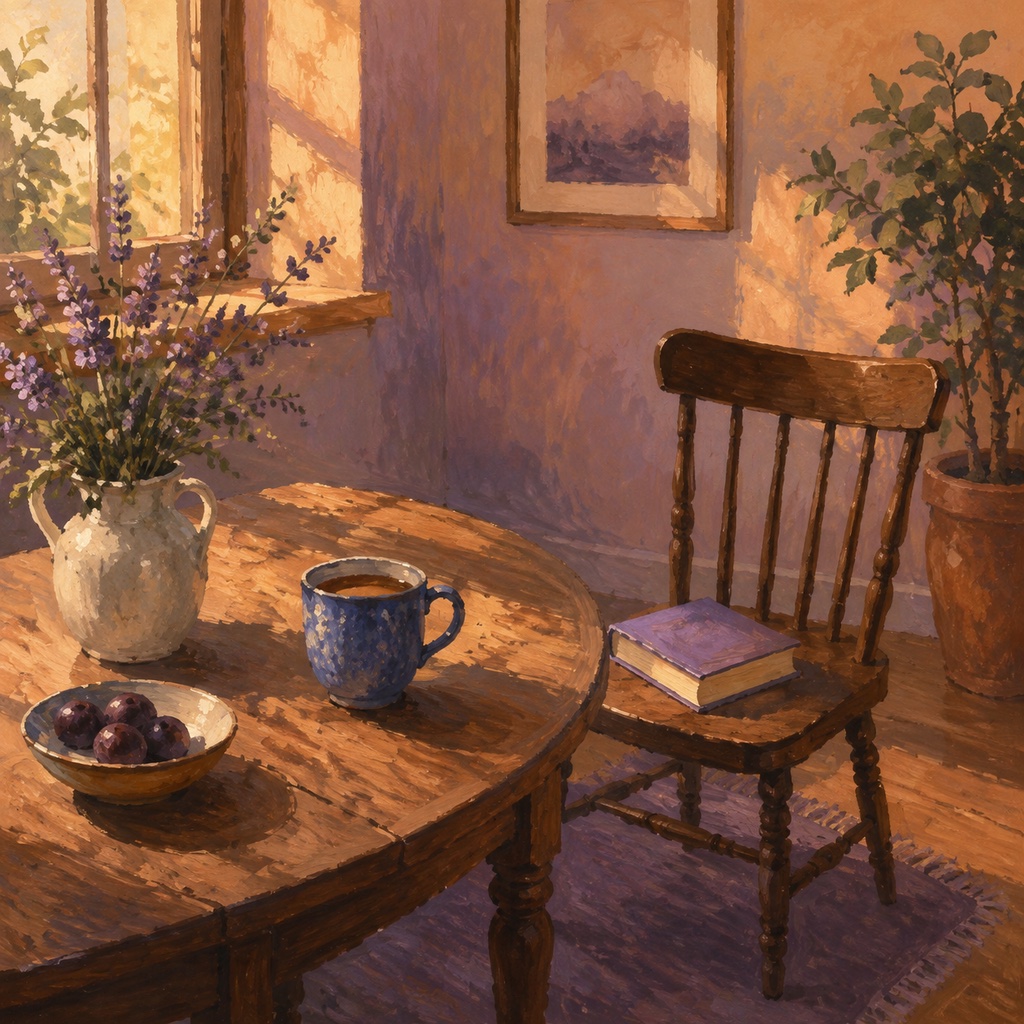
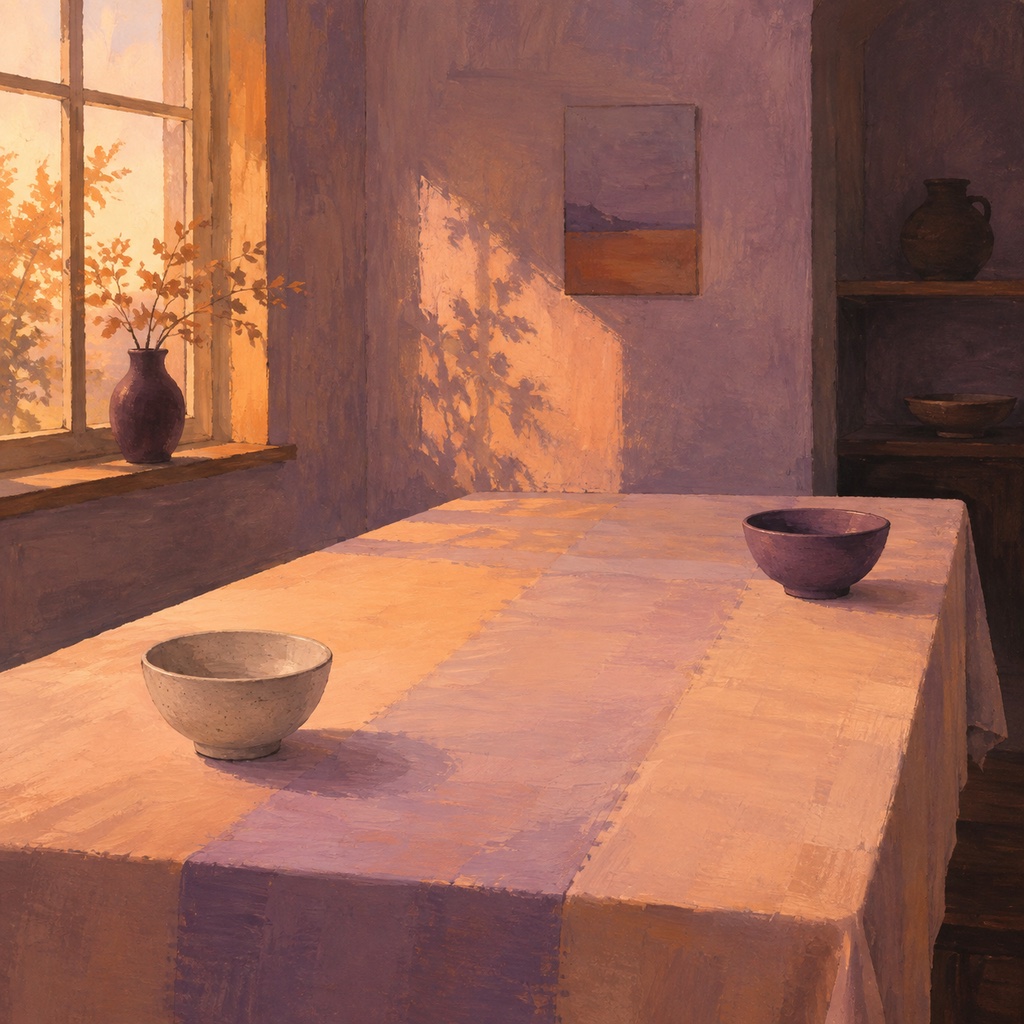
A blue cup stands on the windowsill. Later, the cup has moved to the table.
What changed is clear.
Who changed it is still open.
In the margin
Three ways to hold a statement.
The cup changed places.
Both locations are given.Someone may have been reading nearby.
An explanation, with room for another.Who moved the cup?
A useful gap to keep visible.From a leap to a sentence
Keep the observation.
Soften the leap.
The reader left in a hurry.
The cup was moved to the table. The account does not say who moved it.
In Plainframe, source folios stay close to the claim margin. Choose a label, inspect the explanation, then write in your own words.
Filed proof slips
A revision is worth returning to.
Your slips preserve the original assertion beside your revision and your follow-up question. Reopen a dossier to reconsider its sources, adjust a draft, or unfile a slip while keeping the working words.
What would you ask next?
A question can be the most precise sentence on the page.
Look closely at the ordinary.
Reading traces, small arrangements, shared plans, making things, and details from outside become occasions to practice careful expression.